Seachem Catappa Leaves
Vers geleverd, direct plantklaar
Zorgvuldig verpakt en zo snel mogelijk bij je bezorgd, of gratis af te halen in onze winkel in Heinkenszand.
Onze garantie
Niet goed aangekomen? Dan lossen we dit samen op. Neem contact met ons op en we denken met je mee naar een oplossing.
Natural catappa leaves for healthy shrimp and bettas
Seachem Catappa Leaves (also called Indian Almond Leaves) are essential for creating a natural, healthy aquarium environment. These leaves are particularly valuable for shrimp and bettas, which thrive in soft, slightly acidic water with natural tannins.
Benefits for shrimp
- Promotes molting: The natural substances in catappa leaves support healthy molting in shrimp.
- Antibacterial effect: Helps prevent infections and protects vulnerable shrimp during molting
- Natural food: Shrimp like to graze on the leaves and the microorganisms that grow on them
- Improves survival of young shrimp: Creates optimal conditions for shrimp farming
- Natural shelter: Provides additional cover and foraging habitat
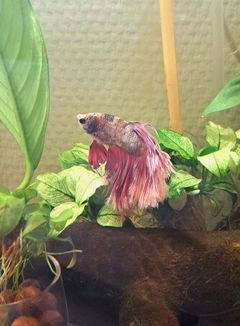
Benefits for Bettas
- Natural Habitat: Recreates the blackwater environment that bettas naturally live in.
- Reduces stress: The tannins create a soothing, natural environment
- Supports Healing: Antibacterial and antifungal properties aid in the recovery from fin rot and other conditions
- Intensifies colors: Bettas often show brighter colors in water with tannins.
- Softer water: Lowers pH and hardness to natural values
General benefits
- Releases natural tannins that give the water a light amber color
- Lowers pH value gradually and naturally
- Softens water by reducing hardness
- Contains natural humic and fulvic acids
- 100% natural product without chemical additives
Usage
Add 1-2 leaves per 40 liters of aquarium water. The leaves will sink within 24-48 hours and gradually release tannins. Replace the leaves every 2-3 weeks or when they are completely decomposed. For a more intensive effect, soak the leaves in hot water first.
Ideal for: Shrimp aquariums (Neocaridina, Caridina), bettas, discus, dwarf cichlids, and other fish that prefer soft, acidic water.