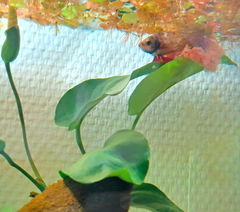
Water Tests - Aquarium Maintenance
Regular testing is important to get a complete picture of water quality.
It is therefore wise to do a drop test monthly, as this will give you a more complete and precise picture.
Almost all water values are connected to each other. A complete picture of your water quality is therefore of great importance.
Are the water values too high or too low? Then take action to correct this.
If you really want to do it right, consider the needs of the plants and fish in your aquarium. For example, some plants need some extra calcium and there are shrimps that prefer a lower pH value.
We have different types of water tests such as test strips, individual drop tests and complete test kits, which are listed below.
===SEOTEXT===
Most strips can measure the following water values: PH (acidity), GH (general hardness), KH (carbonate hardness), NO2 (nitrite), NO3 (nitrate) and CL2 (chlorine).
With a drop test you can also test the NH3 (ammonia), NH4 (ammonium), PO4 (phosphate) and FE (iron) values.
For example, a pH that is too high causes NH4 (ammonium) to convert more quickly into NH3 (ammonia), which is harmful to your fish.
If the water values are too high, a water change and less feeding is the solution in most cases.
When changing the water in this situation, make sure that the values do not change too quickly. Add clean water in stages so that the plants and fish can get used to it gradually.
Are the water values too low? Then fertilization is in most cases the solution.

Original price
13,50
-
Original price
13,50
Original price
13,50
13,50
-
13,50
Current price
13,50
Sera NH4/NH3 Test
For the simple determination of the ammonium/ammonia concentration in fresh and sea water Ammonium and ammonia come primarily from fish feces. D...
View full details

Original price
17,99
-
Original price
17,99
Original price
17,99
17,99
-
17,99
Current price
17,99
Sera NH4/NH3 Test
For the simple determination of the ammonium/ammonia concentration in fresh and sea water Ammonium and ammonia come primarily from fish feces. D...
View full details
Original price
69,99
-
Original price
99,99
Original price
69,99
-
99,99
69,99
-
99,99
Current price
69,99
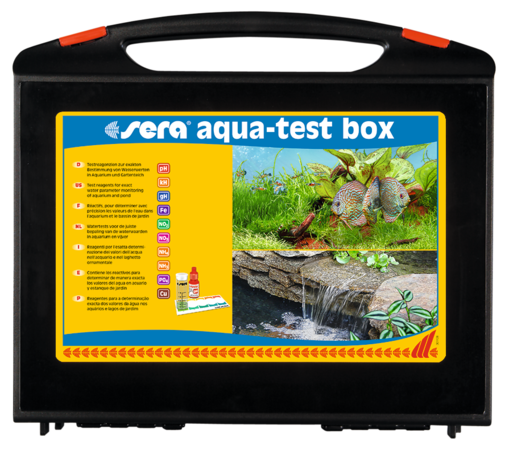
Sera Aqua-Test Box
Advanced water testing An experienced aquarist checks the water in his aquarium regularly. This way, preventive measures against algae, for exam...
View full details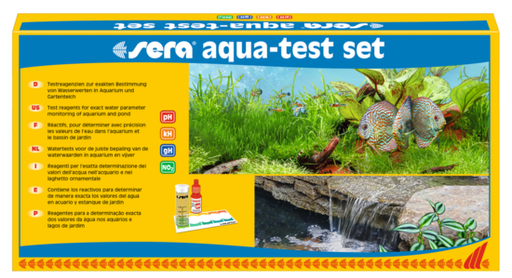
Original price
37,69
-
Original price
37,69
Original price
37,69
37,69
-
37,69
Current price
37,69
Sera Aqua-Test Set
Get to know your aquarium water Only those who know their water values can respond appropriately and in a timely manner and prevent irregulari...
View full details
Original price
12,19
-
Original price
12,19
Original price
12,19
12,19
-
12,19
Current price
12,19
Sera Cl-Test (Chlorine)
For the simple determination of the chlorine content in freshwater and seawater It detects dangerous chlorine Important for fish and inverte...
View full details
Original price
18,09
-
Original price
18,09
Original price
18,09
18,09
-
18,09
Current price
18,09
Sera Co2 Continuous Test
Sera Co2 Continuous Test CO2 is considered one of the most important nutrients for aquatic plants. A shortage can therefore have enormous cons...
View full details
Original price
8,79
-
Original price
8,79
Original price
8,79
8,79
-
8,79
Current price
8,79
Sera Co2 Indicator Fluid
Sera Co2 Indicator Fluid Replacement fluid for the Sera Co2-Continutest.

Original price
14,99
Original price
14,99
-
Original price
14,99
Original price
14,99
Current price
9,99
9,99
-
9,99
Current price
9,99
Sera Cu-Test (Copper)
For the simple determination of the copper content in fresh and sea water Copper (Cu) is very toxic for invertebrates such as shrimps and crayf...
View full details
Original price
17,99
-
Original price
17,99
Original price
17,99
17,99
-
17,99
Current price
17,99
Sera FE Test (Iron)
Iron Test for Fresh and Saltwater — Quick Insight into Iron Deficiency in Aquarium PlantsSera FE-Test — approx. 75 measurements, also detects chela...
View full details
Original price
0,00
-
Original price
0,00
Original price
0,00
9,49
9,49
-
9,49
Current price
9,49
Sera KH Test
To determine the carbonate hardness in fresh and sea water in a simple way For approx. 390 °dKH. For low KH values we recommend sera KH/pH-p...
View full details
Original price
13,99
-
Original price
13,99
Original price
13,99
13,99
-
13,99
Current price
13,99
Sera No2 Test (Nitrite)
For the simple determination of the nitrite content in fresh and sea water Nitrite (NO 2 ) is considered one of the most toxic substances for fi...
View full details
Original price
17,09
-
Original price
17,09
Original price
17,09
17,09
-
17,09
Current price
17,09
Sera No3 Test (Nitrate)
For the simple determination of the nitrate content in fresh and sea water Nitrate (NO 3 ) is an indication of a heavy organic load. The source ...
View full details
Original price
9,49
-
Original price
9,49
Original price
9,49
9,49
-
9,49
Current price
9,49
Sera PH Test
To determine the pH value in freshwater, seawater and in the pond in a simple way. For pH values that are too low, we recommend sera KH/pH-plu...
View full details
Original price
18,09
-
Original price
18,09
Original price
18,09
18,09
-
18,09
Current price
18,09
Sera Po4 Test (Phosphate)
Phosphate Test for Fresh and Saltwater — Prevent Algae Growth by Monitoring Phosphate Sera PO₄-Test — approx. 60 measurements, quick and easy resul...
View full details
Original price
18,99
-
Original price
18,99
Original price
18,99
18,99
-
18,99
Current price
18,99
Sera Quick Test 6 in 1
Quick and easy check Routine check or safety check: With the Quick Test, sera offers the optimal possibility to easily check the most importan...
View full details
Original price
8,49
-
Original price
8,49
Original price
8,49
8,49
-
8,49
Current price
8,49
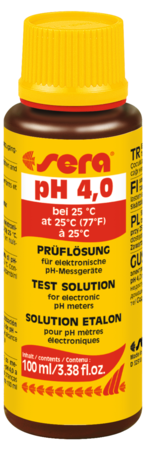
Sera Test Solutions
Test solution for electronic pH devices The various sera test solutions (pH 4.0 / pH 7.0 / pH 9.2) are suitable for all electronic pH devices.

Original price
20,29
Original price
20,29
-
Original price
20,29
Original price
20,29
Current price
12,17
12,17
-
12,17
Current price
12,17
Tetra Test AlgeaControll 3in1
3-in-1 algae test for aquarium — measures nitrate, phosphate, and pH in one testIdentify the cause of algae growth — for targeted treatment✅ Level:...
View full details

Original price
24,95
-
Original price
24,95
Original price
24,95
24,95
-
24,95
Current price
24,95
Moerings Test Set
The Moerings test set is suitable for measuring the pH, GH and KH value of pond and aquarium water in a very accurate manner. ...
View full details
Original price
0,00
-
Original price
0,00
Original price
0,00
9,49
9,49
-
9,49
Current price
9,49
Sera GH Test
To determine the total hardness in a simple way For approx. 420 °dGH. If the total hardness is too low, we recommend sera mineral salt. Too hi...
View full details
Original price
7,19
-
Original price
7,19
Original price
7,19
7,19
-
7,19
Current price
7,19
Sera Measuring Cuvettes
Supplementary set with three cuvettes for performing water tests The high-quality sera cuvettes made of glass are ideally suited for performing ...
View full details
Original price
17,99
Original price
17,99
-
Original price
17,99
Original price
17,99
Current price
12,99
12,99
-
12,99
Current price
12,99
Sera O2 Test (Oxygen)
For the simple determination of the oxygen content in fresh water Rapid breathing at the water surface is an unmistakable sign of oxygen deficie...
View full details
Original price
18,69
-
Original price
18,69
Original price
18,69
18,69
18,69
-
18,69
Current price
18,69
Sera SiO3 Test (Silicate)
For the simple determination of the silicate content in fresh and sea water Silicate (SiO 3 ) promotes the growth of diatoms in marine and fresh...
View full details